Product details
CAS No.: 126-11-4
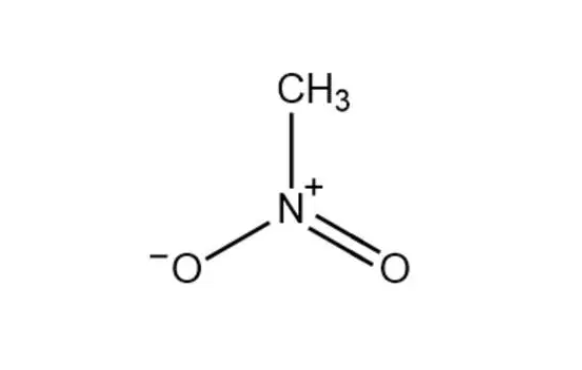
Molecular formula: C 4 H 9 NO 5 Structural formula:
Molecular weight: 151.12
2. Main physical and chemical properties
Trimethylolnitromethane is a non-flammable and non-explosive white or light yellow crystalline powder. It has strong water absorption and is easily soluble in water. Its solubility in water is 220g/100ml (20℃). It is easily soluble in ethanol and ethyl acetate, slightly soluble in acetone, and insoluble in benzene and chloroform. The melting point is 155℃. Toxicity LD50 (rat oral) = 1900mg/kg.
Pure trimethylolnitromethane is very stable in a dry state and decomposes slowly at the melting point. Its aqueous solution is very stable in neutral or acidic conditions, but it will slowly decompose into formaldehyde in slightly alkaline solutions, and the rate of formaldehyde release increases with the increase in pH.
3. Technical indicators
Appearance: Light yellow to yellow liquid
Content: 50%
Moisture: ≤50%
4. Application
Trimethylolnitromethane is used as a sterilizing agent for non-living organisms or a biological inhibitor for water circulation systems. It can also be used as an organic synthesis intermediate. It can be used in the following industries:
1. Water treatment
2. Metalworking fluid
3. Oilfield injection water
4. Deodorization
5. Preservatives for barreled emulsions, solutions or suspensions
6. Drilling Mud
7. Used to prepare bactericidal preparations
8. Used for the synthesis of thiazide
5. Packaging
220kg/plastic barrel (can be used in trays and rolls)
6. Matters concerning children
1. This product should be stored in a cool, ventilated warehouse, avoid sunlight and rain, and stay away from heat sources.
2. It should be isolated from acid and alkali products.
3. Handle with care during transportation; in case of fire, use water, carbon dioxide or foam fire extinguisher.
VII. Attachments
The bactericidal spectrum of 50% tris(hydroxymethyl)nitromethane:
Minimum inhibitory concentration of organisms at pH 7.4 (ppm)
Dead grass seedlings 250--500
Staphylococcus aureus 62--125
Sarcina lutea 125--250
Fecal Streptococcus 250--500
Escherichia coli 500--1000
Lactobacillus atmosphericus 65-125
Pseudomonas aeruginosa 500--1000
Typhoid Bacteria 65---125
Desulfuron Vibrio aestauil <30
Cladosporium herbarum >2000
Cephalosporin 1000----2000
Trichophyton mentagrophytes 250-500
Aspergillus niger>2000
Aureobasidium Pullulans >2000
Fusarium moniliformis >2000
Brewer's yeast 500-1000
Candida albicans>2000